

Plants are the most stylish way to prevent mould. Sure, they aren’t as effective as dehumidifiers. But they are more stylish and eco-friendly.
Plants absorb moisture from the air. This reduces humidity, preventing mould growth. It also improves air quality. Some plants can even absorb mould spores, fungus, bacterial and harmful pollutants from the air.
There are other benefits, too. So, consider introducing more houseplants into your home. However, this article is about plants for mould prevention. So, let’s focus on that.
We’ll explore five such plants. Then, move on to other benefits of houseplants and more methods for preventing and treating mould.
We just need to take a quick detour. Let’s first discuss what causes mould. Why? Because prevention is easier when you cause.
Why Mould Forms in Homes
Mould thrives in high humidity and poor ventilation. The most susceptible parts of a home are bathrooms, kitchens and laundry rooms. Let’s use bathrooms as an example.
Bathing and other bathroom activities release moisture into the air. Without proper ventilation, this humid air is stuck in the bathroom. At some point, condensation happens. Condensates can settle on walls, the ceiling, the floor and other surfaces, dampening them.
Mould spores are already in the air. They settle on the damp surfaces and begin to propagate. Room temperature must also be ideal, around 35-104°F, but this is how mould forms in homes.
Mould can form on all surfaces, including walls, windows, furniture and walls. They deface and can damage those surfaces. They also irritate the skin, throat and eyes. Finally, mould is dangerous to people with allergies and respiratory problems.
The plants in this article prevent mould by reducing humidity. However, we recommend plants for mould prevention alone, not treatment. They can’t treat an infestation. For that, you need something else.

Top Plants to Combat Mould
Here are some of the best plants for mould prevention. These plants combat mould by absorbing moisture, mould spores, bacteria, fungi, and other harmful airborne contaminants through their leaves.
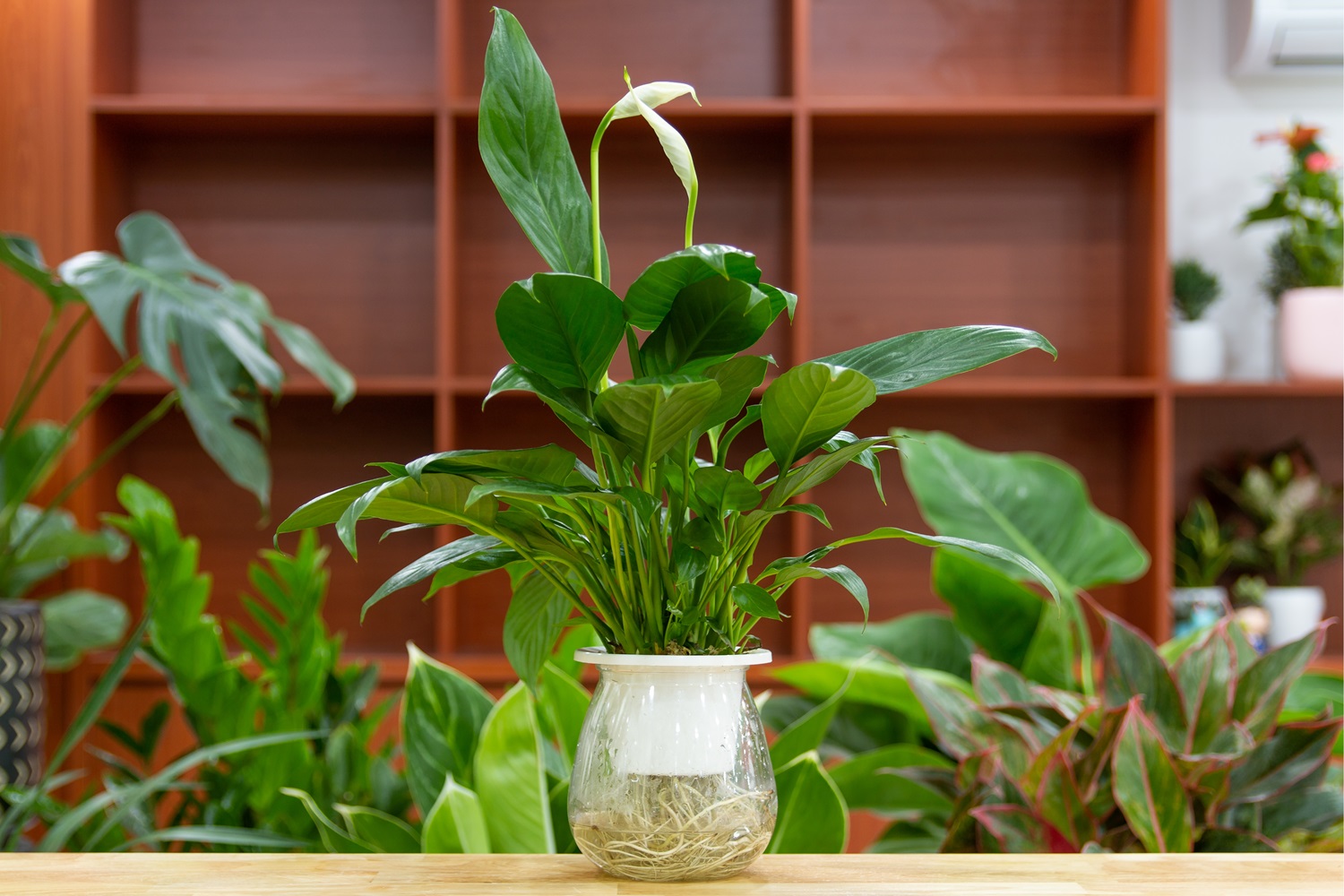
Peace Lily
The peace lily has beautiful white flowers and oval-shaped leaves. It’s a striking and popular houseplant for mould prevention. This plant can reduce mould spores by 50-60% and increase air quality by 60%. It can also reduce the amount of formaldehyde in the air.
The peace lily loves shade, warmth and humidity. So, it’s perfect for bathrooms, kitchens, laundry rooms, and anywhere else where mould could thrive. This houseplant is also very easy to maintain. All it needs is a damp and moist soil.
There is one problem, though. The leaves are harmful when ingested. So, keep your peace lily plant away from kids and pets.
Boston Fern
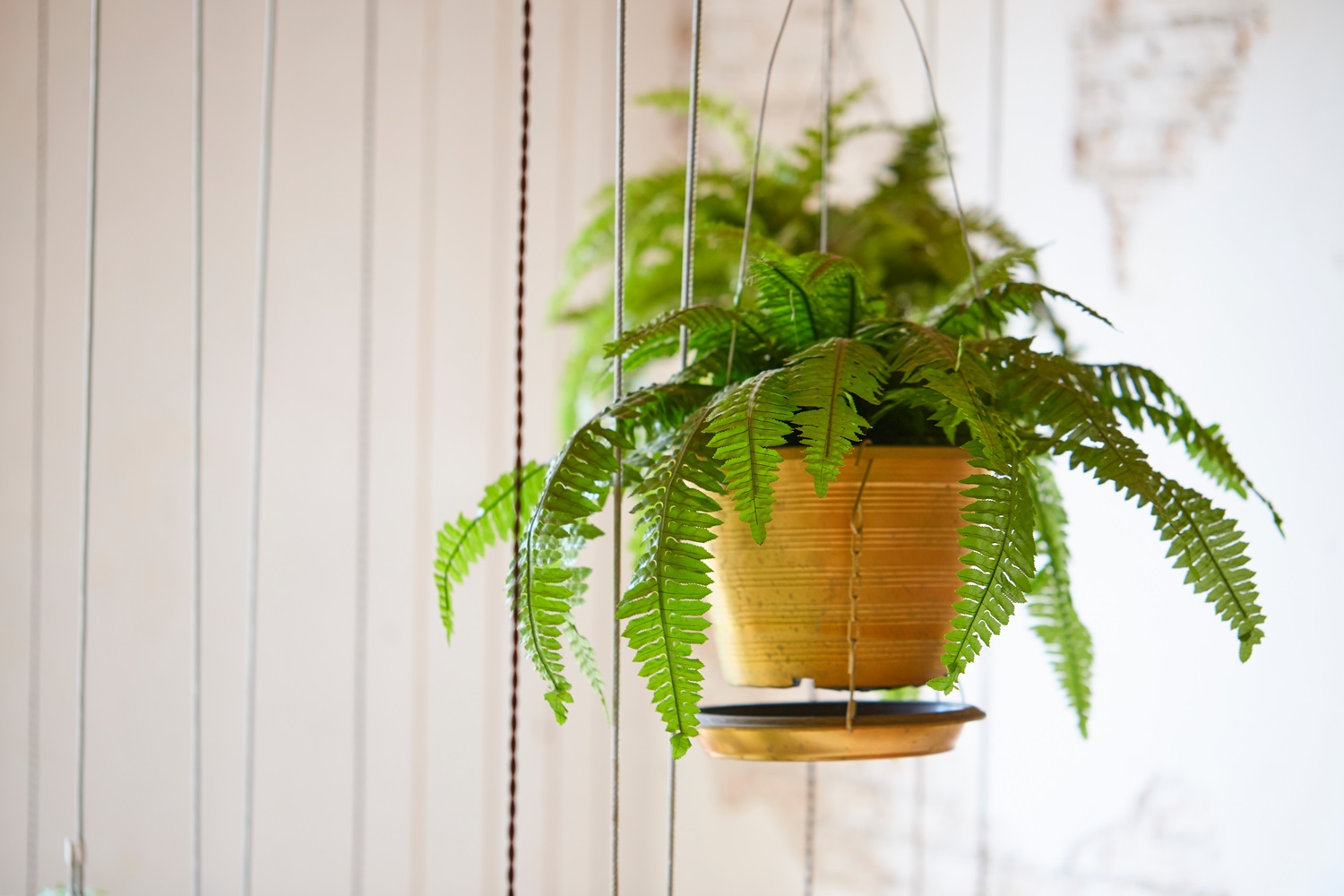
The Boston fern looks like a clump of tender fronds. The fronds arch outwards. These fronds are incredible at removing moisture, mould spores, formaldehyde, xylene and toluene from the air.
This tropical houseplant is a great plant for preventing mould. Even better, it is a great plant for improving overall air quality.
The Boston fern is a rainforest plant. So, it thrives in humid spaces. It does well in shade. So, it’s an ideal indoor plant. You just need to keep the soil moist. Do this by watering regularly.
Spider Plant
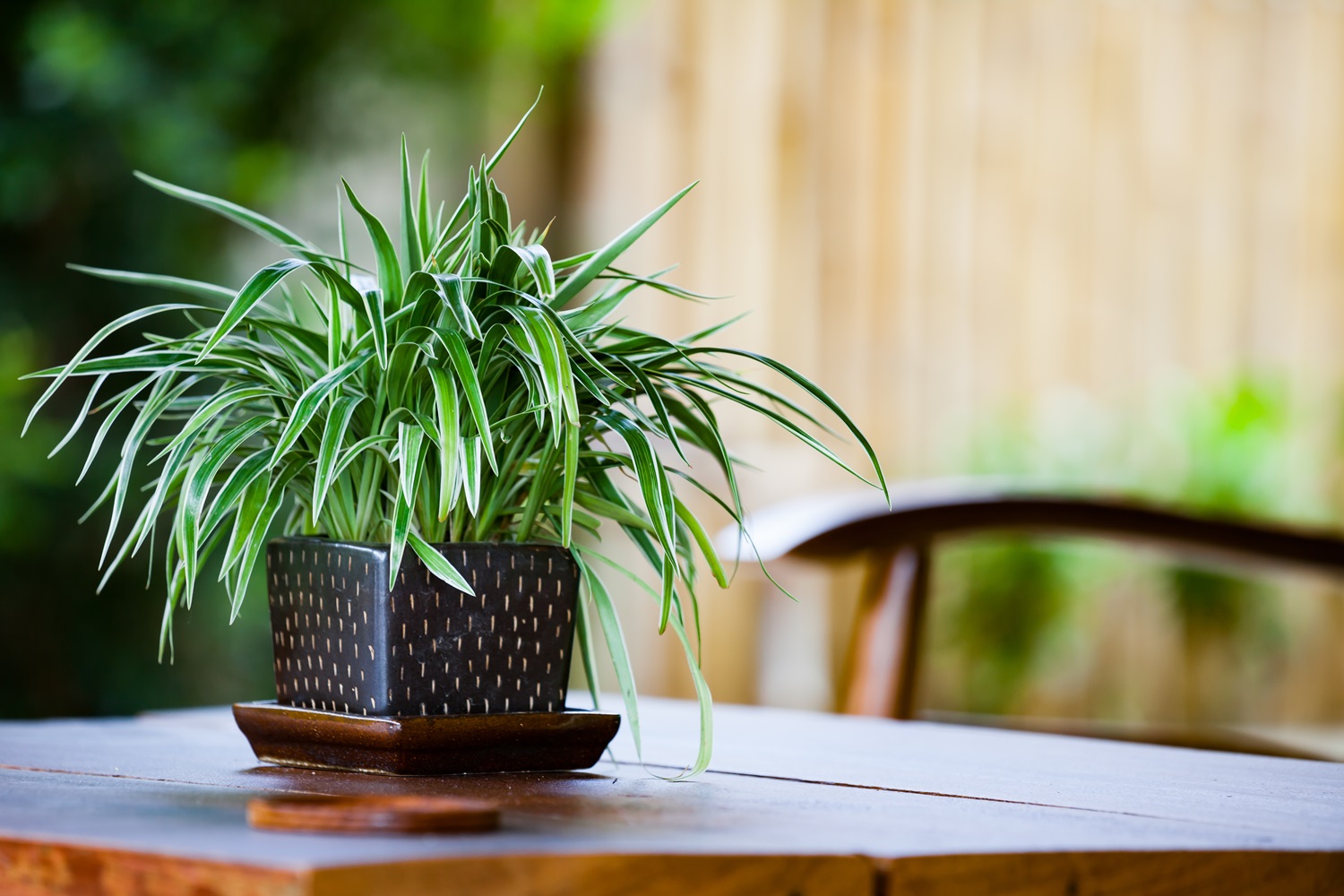
The spider plant has green or variegated vine-shaped leaves. The leaves sprout arch outwards gracefully. More importantly, they absorb moisture, spores and harmful substances from the air.
This houseplant is great for improving the air quality of a room. Within days, it can remove about 90% of carbon monoxide, formaldehyde and other harmful substances in a room. Plus, it’s kid- and pet-friendly.
The spider plant is a tropical plant that originates from Africa. So, it does well in humid conditions. It is also very easy to maintain and will still survive when neglected. So, it’s perfect for beginners. Keep this plant in the shade and damp soil.
Palm
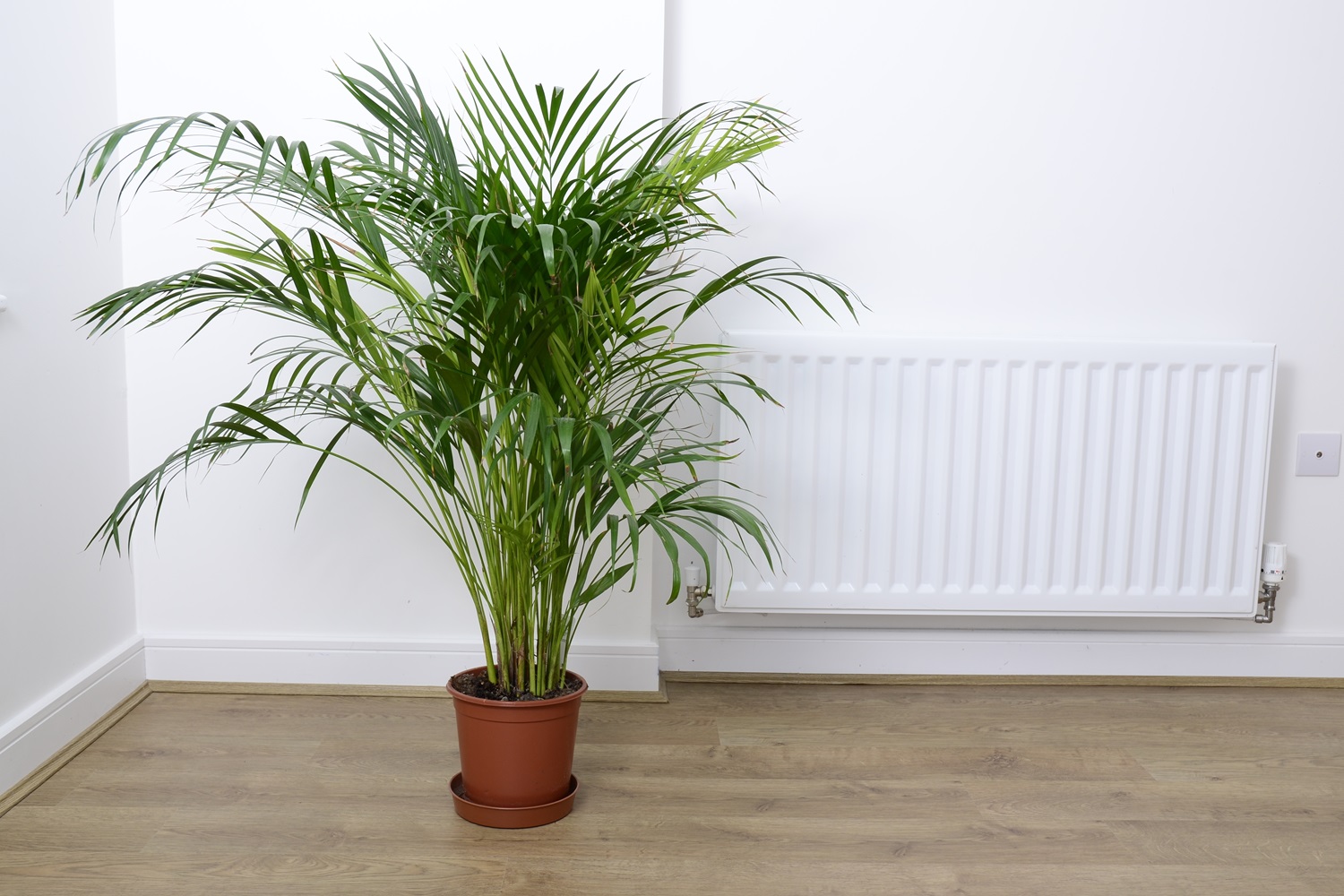
Palm varieties have always made interesting houseplants. Their lush exotic fronds are eye-catching. You may have to trim them unless you grow a dwarf variety.
Those fronds make this plant ideal for combating mould. Palm fronts have a large surface area to absorb moisture. They also absorb formaldehyde and xylene. All these improve air quality and stop mould growth.
Choose bamboo Palm, lady Palm, areca palms, reed palm or dwarf palm. They are all great plants for mould prevention. There are also other considerations.
Areca palms are pet-friendly. The others are toxic. So, keep them away from kids and pets. Meanwhile, dwarf palm varieties are better for small spaces and indoors in general. You won’t have to trim them to size.
Palm plants like high humidity, indirect sunlight and moist soil. Drainage is also crucial.
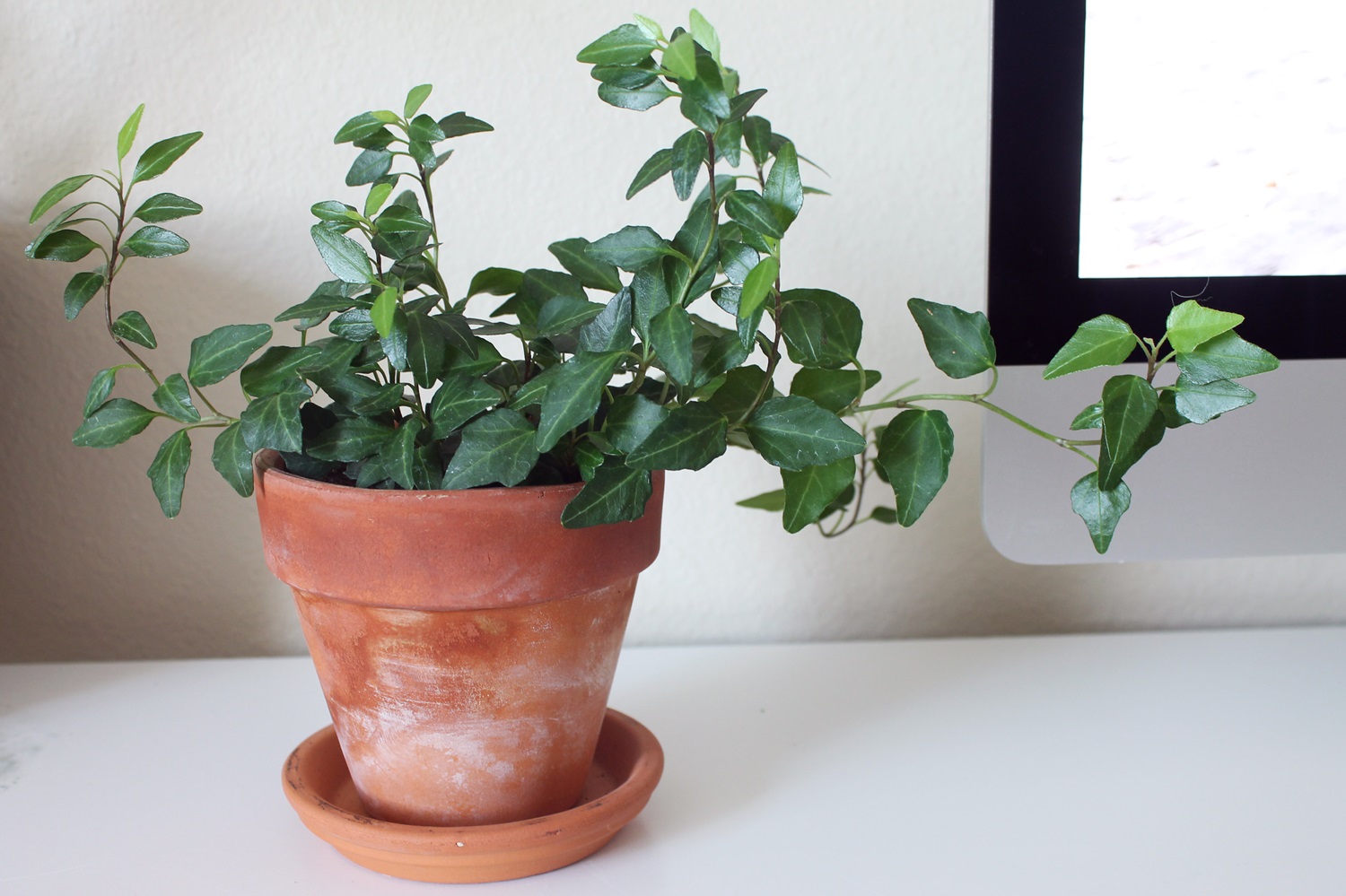
English Ivy
The English ivy is a crawler. So, you can train it to grow along a wall or stand. Because of this, crawlers are more space-efficient than normal plants. You can also use this to create a striking visual effect.
The English ivy is an effective plant for mould prevention. It removes up to 78% of mould spores (in the air) within 78 minutes. It also absorbs other pollutants like formaldehyde and benzene. It absorbs moisture and balances humidity levels too.
This is a low-maintenance plant. Just keep it in the shade with moist soil and a humid environment. There is only one issue. The English ivy is poisonous to pets (if ingested). So, keep it out of the reach of your pets and kids.
Additional Benefits of Using Plants for Mould Prevention
These plants don’t just prevent mould growth. They also have other benefits. Let’s discuss them.
Aesthetic appeal
Houseplants have a lot of aesthetic appeal. They add visual interest, nature and colours to a space.
Air purification
These plants also remove other airborne contaminants like formaldehyde, xylene and toluene. These contaminants are everywhere. They are in our building materials, paints, fabrics and wallpapers. Those mould-preventing plants purify the air by removing those contaminates.
Peace and calm
Nature has a way of calming us. That’s why we enjoy spending time in the garden. These houseplants bring that effect into your home. They help you relax and calm down.
Making air breathable in a poorly ventilated room
Human beings breathe in oxygen and breathe out carbon dioxide. Without ventilation, oxygen levels deplete while CO2 levels increase. Therefore, breathing becomes difficult.
During photosynthesis, plants absorb CO2 and release oxygen into the air. They also release CO2, but less than they absorb. So, in general, oxygen increases and CO2 reduces. This keeps the air breathable.
When to Use or Not Use Plants for Mould
Plants are not the most effective way to prevent mould. That title goes to dehumidifiers. Proper ventilation is also crucial.
So, you shouldn’t rely solely on plants for mould prevention. Combine mould-preventing plants with proper ventilation. Consider adding a dehumidifier too.
What if there is already an infestation? Then, what you need is mould removal. Mould-preventing plants and dehumidifiers are not enough. You must treat the affected area(s) with a dedicated mould killer or disinfectant. Vinegar works, too. Use a 1:1 ratio of distilled white vinegar and water.
Some people also use bleach, soda, ammonia or detergent. However, these aren’t always effective. Plus, bleach could damage some surfaces.
Conclusion
Mould thrives in humid and poorly ventilated rooms. The key to mould prevention is to stop this from happening. These plants do this by absorbing moisture, thus reducing humidity.
To maximise this effect, place the plants in humid areas where mould could form. Remember to keep toxic plants out of the reach of children and pets. You must also take care of the plants properly. Keep them healthy so they can do their job.
There are so many benefits to using plants to fight mould. These plants don’t just prevent mould from gaining a foothold. They also increase overall air quality. Plus, they bring aesthetic appeal and a calming effect to a space.


